
![Sell A House With Mold Damage in NY [Fast and As-Is]](https://image-cdn.carrot.com/uploads/sites/57727/2026/01/Sell-A-House-With-Mold-Damage-in-NY-Fast-and-As-Is.webp)
Can You Sell a House with Mold in New York? A Complete Guide
Finding out that you’ve got mold in your New York home can instantly change a planned sale into a stressful situation. From the concerns about health risks, to the impact on property value, and even the potential legal obligations. Tons of New Yorkers feel stuck when mold shows up. If you’ve recently discovered mold in your home, you might be wondering if you can even sell it without professional mold remediation.
The reality is that you can sell a house with mold in New York, but there are some rules. Now in 2026, more than ever, those rules are important. This guide will walk you through everything you need to know to sell a house with mold. We’ll cover state laws, disclosures, inspections, and what to do if professional mold remediation isn’t feasible. You’ll get all the information you need to make the right choice for your situation, while reducing unnecessary risk.
The 2024 Law Update: You Can No Longer “Pay to Hide” Mold in NY
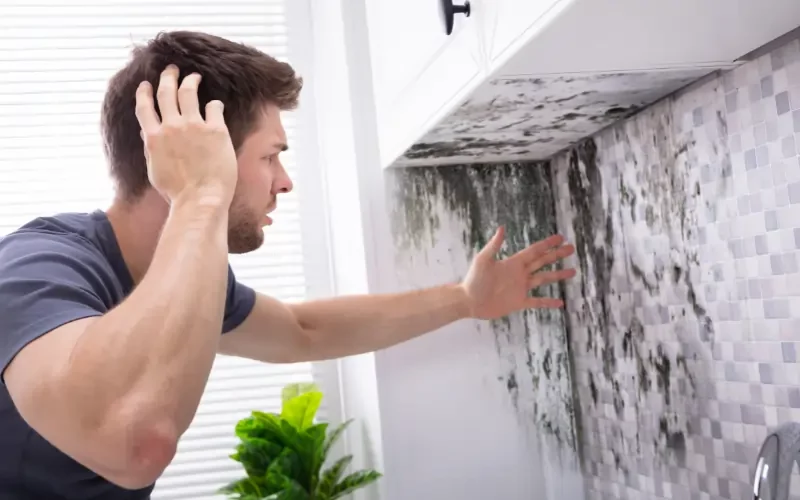
Ever since 2024 in New York state, hiding mold is no longer a legal gray area that can be covered up with a little extra cash. Changes to the Property Condition Disclosure Act requirements now disallow the mold waiver credit. That means that covering up mold growth, even in a temporary capacity, can mean serious legal problems down the road. Painting over visible mold, masking odors, and failing to mention past mold damage on official disclosure statements will all expose the seller to liability.
Mold infestation is a serious issue that most buyers are on guard for. Mold is recognized as a significant health hazard, and it causes a wide range of respiratory problems and other health issues. As a result, state law mandates that sellers disclose known mold conditions that could impact a buyer’s decision.
If mold shows up in an inspection after failing to be disclosed by the seller, the seller may face legal claims for misrepresentation or even fraud. Buyers who uncover mold after purchase may pursue action during the discovery phase, leading to settlement negotiations or even a personal injury claim.
5 Steps to Selling a House with Mold in New York
1. Identify the Severity: Surface Mildew vs. Toxic Black Mold
All mold problems can impact property values, but not all mold problems are the same. There’s a big difference between minor surface mildew and more serious mold infestations. Water intrusion or long-term leaks lead to more widespread, serious problems. Toxic mold, including “black mold”, can spread through a home, creating ongoing health hazards. Mildew can typically be cleaned off with common cleaning agents.
2. Get Professional Remediation Estimates (For “True Value”)
Before you set a price, you’ll need to know what remediation is going to cost. The mold remediation company will outline the process for you. They’ll recommend mold removal techniques and craft a remediation plan. Even when you aren’t planning to repair, this will be helpful for your pricing strategy.
3. Check Your Insurance Policy for Mold Coverage Limits
In a lot of cases, mold damage is the result of covered events. These are things like sudden water damage, roof leaks, or unexpected plumbing problems. Most other issues won’t qualify for coverage. Going over your policy with a fine-tooth comb can help identify what is covered and what isn’t, and to what extent that coverage applies. Insurance payout limitations will often impact whether remediation is realistic or if selling as-is is the smarter move.
4. Complete the Mandatory Property Condition Disclosure Statement
You know by now that New York requires home sellers to disclose all known mold issues. This includes past issues and testing results or inspection reports tied to the property. Home inspections or targeted mold assessments may end up revealing bigger issues, which can trigger contingencies, but failing to disclose is illegal and unethical.
5. Compare the “Fix-and-List” Strategy vs. an As-Is Cash Sale
Finally, you’ll need to make the choice between selling as-is or committing to remediation. Remediation means a potentially higher sale price, but additional costs and delays. An as-is sale to a local cash buyer skips the repair burden, cuts closing costs, and limits legal exposure.sing your chances of a successful sale.

Fill Out The Form Below And Sell Your Moldy House In One Simple Step
The Financing Hurdle: Why Banks Won’t Lend on Moldy Homes
Mold is one of the biggest challenges for traditional financing. The vast majority of lenders require a clean home inspection before a loan can be approved. Mold damage during an inspection will often trigger contingencies that can put any deal on ice. Even small mold issues can raise big red flags when it comes to underwriting. From the lender’s point of view, mold affects legal status and creates resale risk. If the buyer can’t secure their mortgage, the sale collapses, and everyone’s time and money have been wasted.
Remediation vs. Selling As-Is: A Real-World ROI Analysis
When it comes to mold remediation, it always looks like a smart investment on paper. When it comes to real life, though, the numbers don’t always work in the seller’s favor. The average multi-step remediation process will usually cover containment, removal, repairs, restoration, air sampling, and post-remediation assessment. This can cost thousands or tens of thousands of dollars. On top of that, there’s no guarantee that buyers will be interested in the listing without a clearance certificate.
Selling the home as-is shifts the goal from perfection to practicality. Instead of spending a ton of money upfront and waiting for weeks or potentially months for the process, sellers have an option to avoid the potential delays and uncertainty. Working with our team helps homeowners look at the timing and net profit to decide if it’ll add value or just compound the risk.
The Legal Risks of “Painting Over” Mold in New York
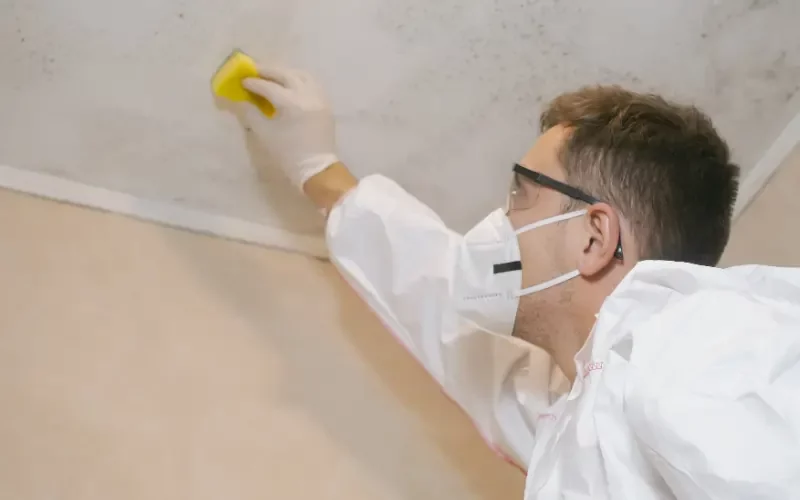
While it may come as a surprise to some, there are sellers who would consider simply painting over any visible mold. This is a surefire way to violate disclosure laws and create a massive legal liability after closing. If buyers discover mold later on, it generally becomes part of the discovery phase of a dispute. This can mean more settlement negotiations, claims for health issues, or even facing personal injury litigation supported by medical records. Addressing the mold honestly, or sell the house in a way that eliminates disclosures as a point of stress completely, by finding a buyer who doesn’t care.
Why Integrity Cash Home Buyers is the Safest Exit for Mold Issues
When mold is involved, the biggest risk isn’t just the cleanup cost. It’s the uncertainty. Traditional buyers may back out after inspections, lenders may refuse financing, and disclosure disputes can drag on long after a deal falls apart. That’s why many New York homeowners choose a cash buyer who understands mold-related issues from the start.
Working with Integrity Cash Home Buyers sellers to move forward without paying for mold remediation, testing, or repairs. The home is purchased as-is, even when mold damage, water intrusion, or other issues are present. No buyer financing to fall through means no pressure at the closing table.
On top of all that, it’s important that your buyer knows the local markets. Generic iBuyer offers don’t make any distinction between a property in Kingston and a property in Middletown. At Integrity Cash Home Buyers, though, we know each market intimately because we’re also locals.
Frequently Asked Questions About Selling with Mold
Can a buyer sue me for mold after closing in New York?
Yes, a buyer can sue you if mold wasn’t properly disclosed or if it was intentionally concealed. Lawsuits generally focus on misrepresentation or resulting health hazards and medical expenses. Honest disclosure and picking the right sale method can help minimize that risk.
Is black mold a deal breaker when selling a house?
In most traditional house sales, black mold could absolutely be a deal-breaker. Most buyers don’t want to have a mold remediation project ahead of them, they want a move-in-ready home.
How much does a mold inspection cost in NY?
The cost will vary considerably from one company to another, and will depend on the exact services performed, like mold testing, moisture mapping, air sampling, lab work, and so on. Typically, homeowners can expect to pay several hundred dollars for the average mold inspection, and more if a clearance certificate is needed.
Conclusion
Selling a house in New York with mold is certainly possible, but you’ll need to make some important decisions. Mold growth impacts your property value and health, and can create pretty substantial legal obligations. Knowing the rules surrounding disclosures and the typical hurdles caused by financing and remediation can help sellers cut their risk exposure.
For lots of homeowners, though, the safest path isn’t necessarily fixing everything. Choosing the right sale option lets sellers prioritize certainty and simplicity. If you’d like a fair cash offer for your house with mold, reach out to Integrity Cash Home Buyers today.
Get Your Free, No-Obligation Cash Offer!
Don’t wait anymore. Fill out the form below and join the growing number of homeowners who have sold their house with mold with us in the most simple and stress-free way.
At Bob Will Buy It, we buy houses in New York for cash and in any condition. Whether it is mold or another difficult situation that you are dealing with, our team is ready to help. We can give you a fair cash offer for your house in as-is condition, with no repairs whatsoever needed, and close on a timeline that works best for you. Call today to learn more at 845-475-0900.