
![Sell a Fire-Damaged House in New York [Sell As-Is]](https://image-cdn.carrot.com/uploads/sites/57727/2025/12/Sell-a-Fire-Damaged-House-in-New-York-Sell-As-Is.webp)
Sell Your Fire-Damaged House in New York (Fast & As-Is)
Few things in life are more overwhelming and traumatic than a house fire. On top of the initial shock, homeowners in New York are then left to deal with insurance companies and safety concerns. Then come the difficult decisions that need to be made about what to do next. A fire-damaged house also brings challenges like emotional trauma and financial pressure, especially when you can’t live there, and it can’t be rented out.
The good news, though, is that selling a fire-damaged house is possible. Not only that, but there’s a way that lets you skip the repairs and insurance waits. We’ve put this guide together to help you understand the selling process, step by step. You’ll find out how insurance payouts can factor in, and what the most realistic options are for moving forward. Homeowners looking for a path with full clarity and zero stress, knowing what their choices are, can make all the difference.
Can I Sell a Fire-Damaged House in NY Without Fixing It?
You absolutely can sell a fire-damaged house in New York, legally, without fixing a thing. State law allows homeowners to sell real property as-is, including a house with fire damage. The caveat, however, is that the seller must make required disclosures. This option is incredibly common when repair costs are high, and the insurance payout is not. It may also be a good option when the home has significant structural damage that makes a full restoration unrealistic.
Most traditional buyers rely on lender financing. In most cases, this requires the home to be in a livable condition, accompanied by a clean home inspection. As a result, the market value of a home with fire damage typically isn’t aligned with a market listing. Cash buyers and local real estate investors operate differently, though. They evaluate the property’s current condition, future use, and market conditions.
No matter what, selling as-is doesn’t mean skipping any legal requirements. Disclosure laws still dictate that buyers be informed about all known issues. Working with experienced local real estate investors like Bob Will Buy It help you sell quickly, while staying on the right side of the law.
The “Keep the Check” Strategy: Double Your Payout
Homeowners waiting for an insurance payout usually assume they have to use that money to rebuild before they can sell the home. The truth is, your insurance claim is to cover loss, not to guarantee a full return on the cost of restoration. In most cases, the full cost of your restoration will exceed the initial estimates. This is nearly guaranteed if hidden damage is discovered during the process.
With the “keep the check” strategy, homeowners do exactly that. The homeowners complete their insurance claim and receive the payout. Then, they simply sell the property as-is. This way, they avoid putting more money into the restoration when that money may not increase the market value. Fire incident reports, insurance claim documentation, and scope estimates from a public adjuster help clarify what the insurer will pay versus the actual cost of repairs.
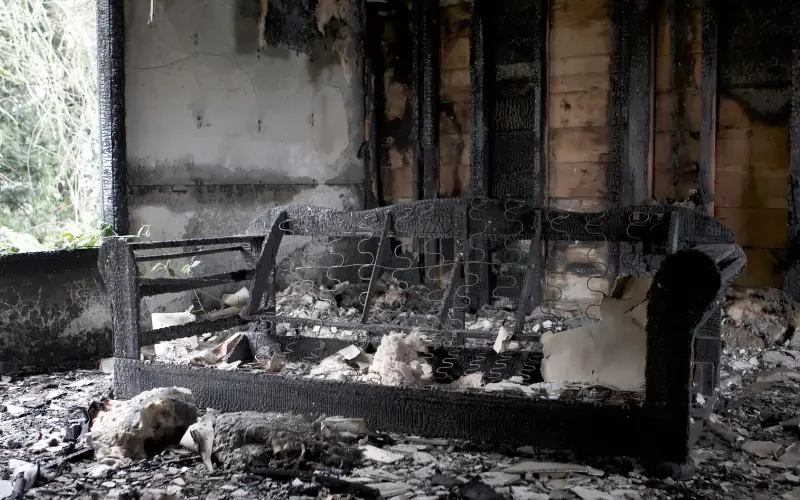
How to Sell a Burned House to “Bob Will Buy It” (4 Steps)
1. Assessment (We Can Inspect Even With a “Vacate Order”)
The first step is an initial assessment of the fire-damaged property. Even if the fire department issued a vacate order, an experienced professional can still evaluate the home safely. This includes reviewing structural damage, structural integrity concerns, and visible safety issues. Fire reports and basic structural assessments help establish the property’s condition without requiring repairs or cleanup.
2. Reviewing the “Scope of Loss” (No Repairs Needed)
Next, the scope of loss from your insurance company is reviewed alongside inspection reports and damage assessments. This step looks at fire damage, smoke impact, possible mold growth, and areas flagged by fire restoration services. No restoration process is required. The goal is understanding the property as it stands, not planning repairs.
3. We Sign a Standard NY Contract of Sale
Once terms are agreed on, the transaction moves forward using a standard New York contract of sale. Legal considerations, property deeds, and liability protection are handled through the closing attorney and supporting legal services. Everything is documented clearly, so there’s no confusion about the property’s condition or responsibilities.
4. Closing: Pay Off the Mortgage, Keep the Rest
At closing, the sale process is completed just like any other real estate transaction. Closing costs are settled, the mortgage is paid off if applicable, and the remaining selling price is distributed to you. Tax implications can be reviewed ahead of time, so there are no surprises. If you want to understand the full flow in more detail, you can review how we buy houses to see how the Bob Will Buy It process stays simple from start to finish.
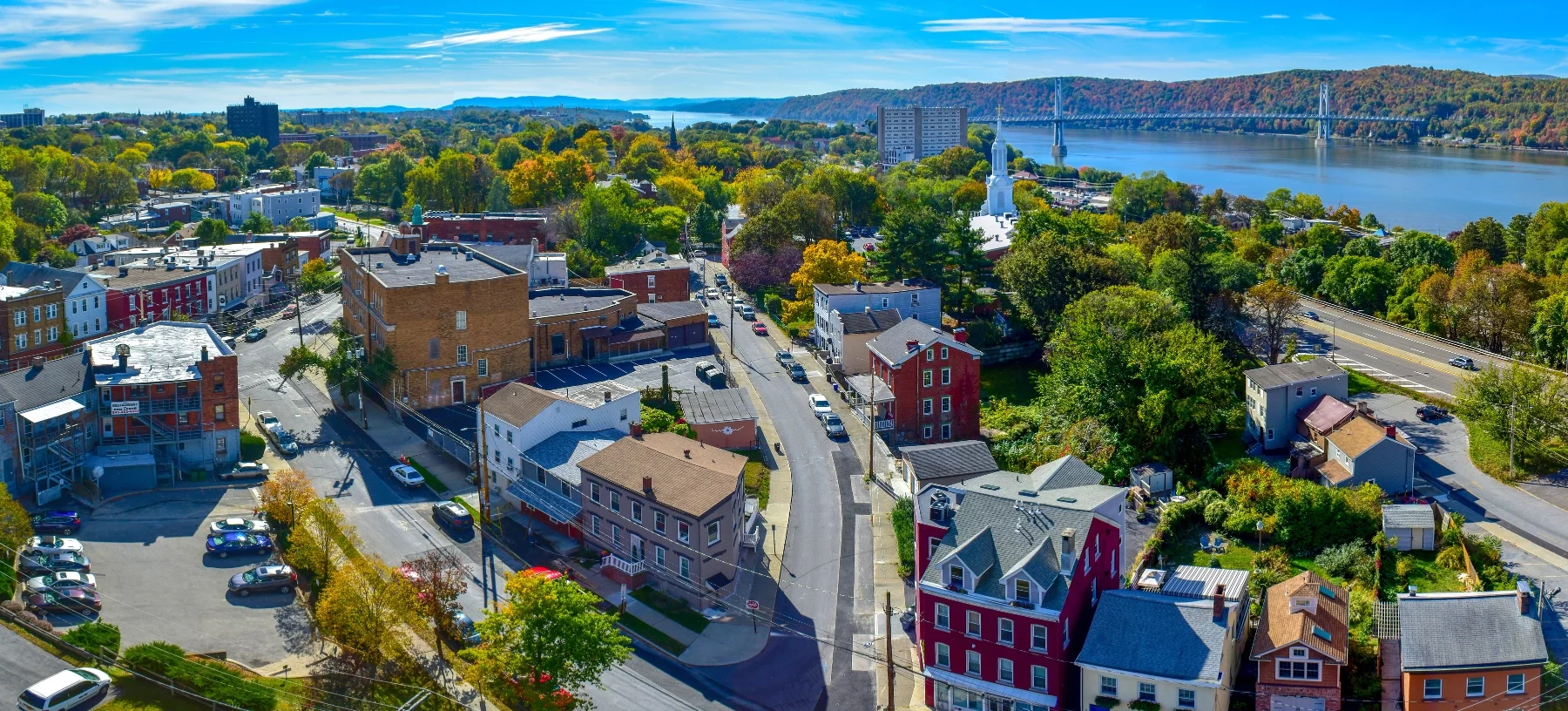

Fill Out The Form Below And Sell Your Fire-Damaged House In One Simple Step
New York’s “Property Condition Disclosure” Law (The $500 Credit is Gone)
New York doesn’t allow sellers to skip disclosures through a $500 credit at closing, though at one time it was relatively common. Today, sellers are required to complete a standardized property condition form that outlines all known issues with the property. This includes fire damage, water damage from the fire department efforts, mold damage from delays in restoration, structural damage, and even the material facts of the property’s history.
For homes with fire damage, these disclosures are incredibly important, so it’s critical that you be transparent. Sellers are legally obliged to disclose what they know, and not to speculate or promise anything.
You’ll need to share inspection reports, details about fire incidents, details about incident response, and information on any work that’s already been done. The New York Home Improvement Act and related regulations also come into play if repairs were started or partially completed.
Every effort should be made to neither minimize nor overstate the risks.
NYC Department of Buildings (DOB) Vacate Orders: What They Mean
After a serious fire, the NYC Department of Buildings may issue a vacate order. This is an official order that prohibits anyone from living in or occupying the property. A vacate order will usually happen when an inspector notes concerns about structural integrity, safety, or potential environmental hazards. Having a vacate order still doesn’t mean you can’t sell, but it does limit your options for buyer types.
Homes that don’t have a valid certificate of occupancy or have unresolved building permits typically can’t qualify for financing from most lenders. This leads many sellers to find cash buyers who specialize in fire damage or distressed properties. Local real estate investors have a unique understanding of building codes and regulations. Selling in conditions like this depends on buyers who know what they’re doing, particularly in markets like Orange County.
Can I “Assign” My Insurance Claim to the Buyer in NY?
Sometimes, a pending insurance claim can be assigned to a buyer. Ultimately, though, it depends on the insurance policy and insurer approval. This is a way of shifting responsibility, but it can create legal considerations as well. Without liability protection from an experienced professional, a seller seeking assignment can risk delays or even disputes. Many sellers choose to keep control of the insurance claims and sell the property separately.
Repair vs. Sell As-Is: The High Cost of NY Construction
Repairing a home damaged by fire is very rarely straightforward. Restoration companies, including local contractors and fire damage restoration specialists, are usually booked out for months. Not only that, but once they get into the internal structural components, hidden damage is not uncommon to find. Selling with a real estate agent costs not only time, but also expense, in the form of realtor commissions, fees for MLS listings, and additional realtor fees.
Selling as-is cuts all that hassle out. Rather than managing project costs, you’re cashing your check and starting your next chapter. If you’re thinking about selling your home in Middletown, let us show you how easy it can be.
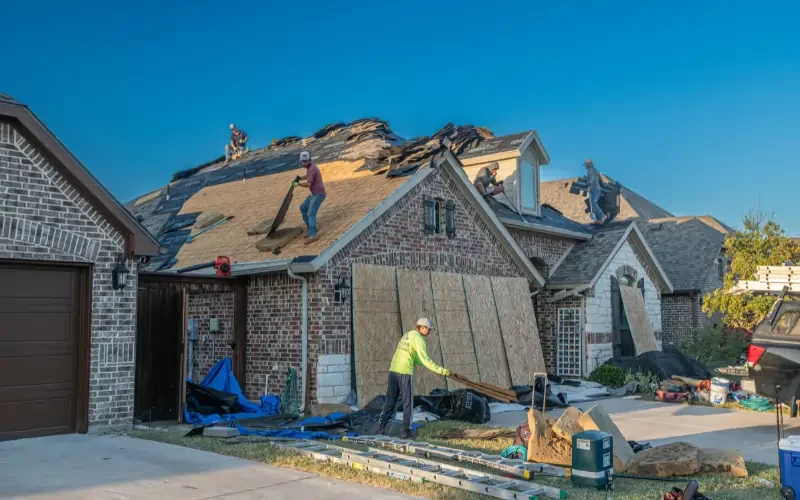
Frequently Asked Questions About Fire Sales in NY
Will the state demolish my house if I don’t fix it?
New York state generally won’t demolish a fire-damaged house without due process. Local building authorities may step in if a structure is classified as unsafe or contains an environmental hazard. In situations where a house is structurally unstable or stays unsecured, a civil court can order its demolition, with costs billed to the owner.
Do I have to pay taxes on the insurance payout?
Your insurance payout isn’t automatically taxable, but it may become taxable depending on how it’s used. That said, it may trigger capital gains taxes if the sum exceeds the property’s adjusted basis. Checking with your county tax assessor or a tax professional can give you answers in the context of your particular financial situation.
What Happens If the House Is Condemned or Has a DOB Vacate Order?
Condemned properties or homes with a DOB order to vacate can still be sold. However, they can only be sold to qualified buyers. Conventional lending typically won’t be an option, which means your buyer pool is going to be smaller than usual.
Conclusion
Making it through a house fire puts enough on your plate, and many homeowners just want to sell afterward. By partnering with a local cash buyer, you can give yourself a bit of certainty along with a fast closing process. If you’re ready to start your next chapter now and leave the rebuilding to someone else, Bob Will Buy It may have a solution. After a few questions, we’ll get you a fair cash offer, and if you accept, you can tell us when you’d like to close. Reach out today and let us help give you some control after a traumatic event.
Get Your Free, No-Obligation Cash Offer!
Don’t wait anymore. Fill out the form below and join the growing number of homeowners who have sold their fire-damaged house with us in the most simple and stress-free way.
At Bob Will Buy It, we buy fire-damaged houses in New York for cash and in as-is condition. Whether the property has smoke damage, structural issues, or has been red-tagged after a fire, selling on the open market can be difficult and expensive. Our team of local experts especializes in buying burned and fire-damaged homes without requiring repairs, cleanup, or insurance payouts to be settled first. No contractors, no listings, and no delays. For homeowners who need to sell a fire-damaged house fast in New York, Bob Will Buy It is ready to make a fair cash offer today. Call now to learn more: 845-475-0900