
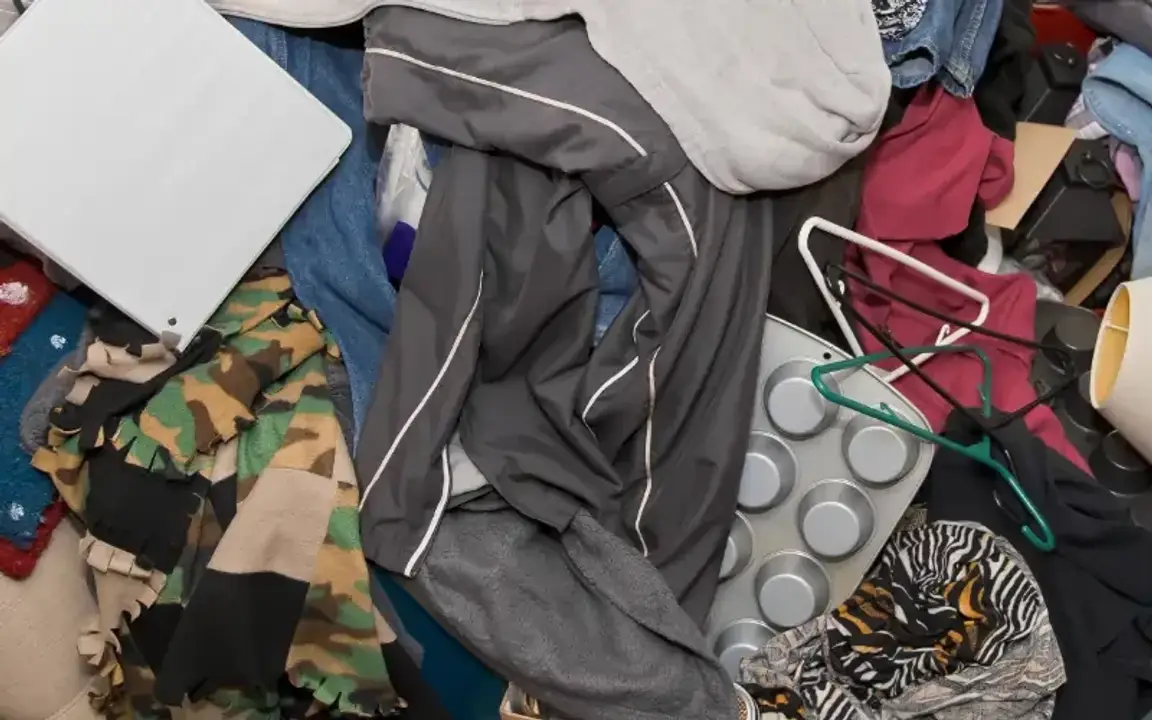
How to Sell a Hoarder House in New York Quickly and Easily
Selling a house can be wildly stressful, even in the best of times, with a beautifully maintained property. For owners of a hoarder house in New York, selling can get overwhelming fast. Sometimes there are safety concerns with the house. In some cases, you may even wonder if the property can be legally sold in its current condition. The reality of it is, though, that hoarder houses are much more common than people realize, and there are ways to sell without committing to cleaning and repairs first.
In New York, homeowners are allowed to sell a hoarder house as-is. You can sell a hoarder house even when there is clutter, long-neglected maintenance, or even outright structural damage. Knowing more about the process and how it works can help cut the anxiety while also avoiding mistakes that can cost you money. In this guide, we’ll go over how to sell a hoarder house in New York fast. You’ll learn what’s legally required from you as a seller, and how to figure out which sale option fits best.
Can You Legally Sell a Severe Hoarder House in New York?
Yes, you can legally sell a severely hoarded house in New York. There are no laws that specifically prohibit the sale of a house if it’s cluttered, dirty, needs repairs, or has other damage. There’s a catch, though. All known issues have to be disclosed to potential buyers. This includes issues related to structural damage, dangerous or hazardous materials, mold contamination, and even zoning rules.
Everything must be documented and disclosed on the appropriate disclosure form. Problems with building codes and zoning rules won’t prevent a sale, but they’ll definitely impact who is willing to buy the property, and at what price.
Not only that, but homeowner’s insurance policy specifics may limit access or coverage during showings or open houses. This is a major reason that many homeowners choose a direct, as-is sale instead of listing.
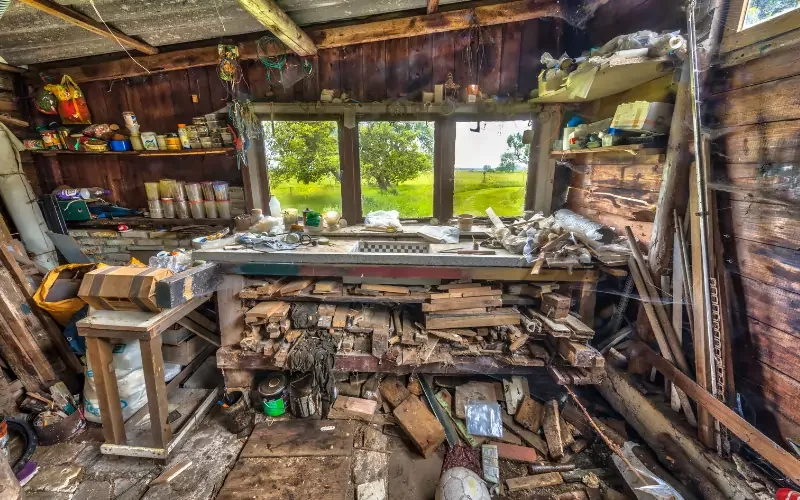
6 Steps to Selling a Hoarded House in NY (No Cleaning Required)
Selling a hoarder house doesn’t have to start with dumpsters, deep cleaning, or emotional friction and confrontations. You have to remember to take a methodical approach to the process. Prioritize safety and legality, and choose the path that fits the property’s condition best. This way, you’ll reduce stress and keep things moving.
1. Perform a Safety Walkthrough (PPE Required)
Before anyone talks about value or what the next steps are, safety needs to be covered first. Hoarder houses tend to be nearly as full of hazards as they are of “stuff.” Hoarded properties tend to have fire hazards and blocked exits, unstable piles, and accumulated hazardous materials. Mold and pest waste can diminish air quality and even cause respiratory problems if disturbed.
You’ll need personal protective equipment, including gloves, ventilated masks or full respirators, and always closed footwear. In more severe cases, hazmat suits and specially trained professionals may be required to manage the cleanup. This will be common in situations where there’s sewage contamination, animal waste, or chemical contamination. The walkthrough isn’t about sorting the stuff; it’s about making sure nobody’s hurt during the initial assessment.
2. Verify Legal Authority (Probate vs. Living Owner)
Next, before any listings are created or offers are entertained, legal authority must be confirmed. This step confirms who has the legal right and authority to sell the property. If there’s a living owner, authority is relatively simple. When the home is part of the estate of someone who has passed away, probate will typically be required. Selling without proper authority can set closing back and create legal problems at the same time. If the owner is dealing with financial hardship, like filing for bankruptcy, the sale will need the approval of the court as well.
3. Identify “Treasure vs. Trash” (The 3-Pile Method)
Sorting everything is going to be a huge task, physically and emotionally. Using the three-pile method can help simplify it a bit. Here, you’ll separate things into piles of stuff you’ll keep, things to be discarded, and things to be donated. There are a lot of things that hold value beyond money, but there are also plenty that don’t. Overall, you’re not trying to be perfect; you’re trying to tame things enough for a smooth walkthrough or inspection when needed.
4. Get a Specialized “As-Is” Valuation
Hoarder houses require different valuation models than the typical listing. Most traditional real estate agents struggle to accurately estimate market value without enough accurate comps. Getting a specialized as-is valuation helps focus on property conditions
5. Skip the Cleanout: Avoid Expensive Dumpsters
Full home cleanouts are expensive, and in a lot of cases, completely unnecessary. Spending tens of thousands of dollars on pest control, mold remediation, junk removal, dumpsters, and more is going to take a huge bite out of your proceeds. There may even be permit and inspection costs if things are particularly bad.
6. Close the Sale and Walk Away
Once you accept an offer, the rest of the process is pretty easy. During an as-is sale, inspection fees, permitting challenges, and zoning rules are all dealt with by the buyer. The closing timeline is usually much quicker than a conventional listing. Selling as-is lets you walk away without stressing about cleaning, repairs, staging, open houses, and all of the rest of the hassles that go along with listing a home.


Fill Out The Form Below And Sell Your Hoarded House In One Simple Step
Cleaning vs. Selling As-Is: The ROI of a Hoarder Cleanout
Many homeowners assume a hoarder house must be cleaned before selling, but that’s often not the best financial move. Deep cleaning, junk removal, mold remediation, pest control, and home repairs can add up quickly. Structural damage, fire hazards, or hazardous materials may require licensed professionals, permits, and inspection fees, which increase costs and stretch out timelines.
Even after spending thousands on cleanup, the market value doesn’t always increase enough to justify the expense. Buyers still factor in risk, remaining repairs, and uncertainty. In contrast, selling as-is avoids upfront costs and shifts responsibility to the buyer. For many sellers, especially those facing time pressure or emotional strain, skipping the cleanout preserves more money and reduces stress.
Helping a Hoarding Relative: Managing the Emotional Transition
There is more than the typical real estate decisions that go into selling a hoarder house in New York. You’re dealing with emotional attachments, potential mental health concerns, and intense family dynamics, on top of the usual hassles with listing a house for sale. The pressure of cleanup timelines or minimizing the emotional aspects often only leads to more conflict.
A more supportive approach focuses on communication and boundaries. Involving a professional organizer or counselor can help ease transitions without escalating tension. Support groups may also provide perspective for both homeowners and family members.
Remember that the goal isn’t to fix everything or to pass judgment; it’s to create a safer path forward. A path that respects the individual while still addressing the property’s condition, along with the family’s needs.

Why “Bob Will Buy It” is New York’s Hoarder Home Specialist
Selling a hoarder house requires experience, discretion, and a process that works with severe property conditions. Bob Will Buy It focuses on as-is home sales, which means no cleanout requirements, no repairs, and no staging. Marketing techniques are designed to attract the right buyers without exposing the situation publicly, and high-quality images are used only when appropriate.
Cash offers remove financing risk and shorten timelines. Veteran buyers on the team understand structural damage, hazardous materials, and disclosure requirements. Homeowners in areas like Kingston and Middletown frequently choose this option to avoid potential delays and to close without having to deal with pressure or judgment.
Frequently Asked Questions About Hoarder Homes
Will I get in trouble with NY building inspectors if I try to sell a hoarder house?
Just selling a hoarder house doesn’t automatically trigger inspections. Issues usually come up only when there are active safety complaints or violations. Selling as-is transfers responsibility to the buyer after disclosure.
Can a hoarder’s house be condemned in New York?
Having a house condemned due to hoarding isn’t common, but it can happen when the conditions pose an immediate danger. However, most hoarder homes aren’t condemned unless there are serious issues like structural damage or fire hazards.
How does hoarding affect the property’s appraisal value in NY?
Hoarding lowers a property’s appraised value because of the perceived risk and the common access issues present in hoarder homes. Appraisers tend to focus on condition and needed repairs, though, not simply clutter.
What happens if I find mold or pests during the cleanout?
Mold issues or pest problems always need to be disclosed. Many buyers handle remediation once the transaction has closed, especially in as-is sales.
Conclusion
Selling a hoarder house in New York doesn’t have to mean months of cleaning and emotional strain, on top of the need for repairs. But when homeowners come armed with the right strategy, they can sell as-is, speeding up the timeline and cutting the upfront costs. If you’re a homeowner looking for a simpler sale that puts a high value on discretion and speed, considering cash buyers is a smart move. Reach out to Bob Will Buy It to get a fair cash offer that can help you turn the page as soon as you’re ready.
Get Your Free, No-Obligation Cash Offer!
Don’t wait anymore. Fill out the form below and join the growing number of homeowners who have sold their hoarded house with us in the most simple and stress-free way.